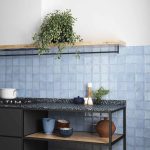


No, a backsplash is not exactly the same as tiles — but a backsplash is made from tile. Think of it this way: all backsplashes use tile, but not all tile is a backsplash. The word “backsplash” refers to where the tile goes and what job it does, not the tile itself.
This article explains what makes a backsplash different, what types of tiles are best for one, and how to make smart choices for your kitchen or bathroom.
What Is a Backsplash?
A backsplash is a section of tile installed on a wall to protect it from water, grease, and food splatter. It sits behind a sink, stove, or countertop — right in the splash zone.
The name says it all. It “splashes back” liquids from hitting the wall directly. Without one, water and cooking residue seep into drywall, cause staining, and eventually lead to mold.
Where Backsplashes Are Installed
You’ll find backsplashes in two main spots:
- Kitchens — behind the sink and cooking range, typically 18 to 24 inches tall
- Bathrooms — above the vanity, behind a sink, or along the edge of a tub
They cover a defined area. They don’t span an entire wall. That limited coverage is what separates a backsplash from standard wall tile.
What Makes Backsplash Tile Different?
A backsplash tile isn’t a special category of tile at the factory. It becomes a “backsplash tile” based on how and where it’s used.
That said, certain tile types are more popular for backsplashes because of their size, weight, and visual appeal:
- Subway tiles (3×6 inch, 2×8 inch) — a timeless classic
- Glass mosaic tiles — reflective, easy to clean, moisture-resistant
- Penny rounds and hexagons — decorative and pattern-friendly
- Marble and natural stone — upscale and elegant
- Metal tiles — bold, modern, and heat-resistant near stoves
These tiles tend to be thin — usually 3/16 to 1/4 inch thick — which is ideal for a backsplash area where you don’t want the tile jutting out past the countertop edge.
What Is Regular Wall Tile?
Wall tile is any tile used to cover a larger vertical surface. That includes shower surrounds, full bathroom walls, laundry rooms, or floor-to-ceiling kitchen walls.
Wall tile focuses on coverage and waterproofing. In a shower, for example, the tile must cover every inch of the wet area, and a waterproof membrane goes behind it to stop moisture from reaching the wall structure.
How Wall Tile Differs from Backsplash Tile
The tile material itself can often be the same. A ceramic tile used in a full shower wall could also work as a kitchen backsplash — it depends on the size, finish, and application.
The real differences come down to:
- Scale — Wall tile covers more surface area
- Waterproofing — Full wall tile in wet areas needs a moisture barrier behind it
- Grout and adhesive — Shower walls need specific waterproof mortar and grout
- Visual weight — Larger tiles can feel too heavy for a small backsplash space
Backsplash vs. Tile: A Quick Comparison
| Feature | Backsplash | Wall Tile |
|---|---|---|
| What it is | A zone protected by tile | Any tile on a vertical surface |
| Coverage | Small, targeted area | Full walls and wet zones |
| Tile thickness | 3/16 – 1/4 inch | 5mm – 3/8 inch (varies) |
| Waterproofing | Usually not required | Required in showers and wet areas |
| Popular materials | Glass, subway, mosaic, stone | Ceramic, porcelain, stone |
| Main purpose | Protection + decoration | Coverage + waterproofing |
Can You Use Any Tile as a Backsplash?
Mostly yes — with a few caveats.
Any tile rated for wall use can work as a backsplash. The key is avoiding floor tiles, which are thicker and heavier than needed. Floor tiles can also have a texture designed for grip underfoot, which can trap grease and grime behind a stove.
For best results, look for tiles labeled “wall tile” or check that the tile has a low water absorption rate if it’s near a sink. The Tile Council of North America (TCNA) sets standards for tile performance and water absorption — useful if you want to dig into the technical specs.
Glass tile is a top pick for backsplashes. It’s non-porous, so it doesn’t absorb moisture or stain. It also reflects light in a way that makes small kitchens feel bigger and brighter.
Our comparing tile materials guide covers the pros and cons of every major tile type, so you can match the material to your space with confidence.
Does a Backsplash Have to Be Tile?
No — but tile is by far the most popular choice.
Other backsplash materials include:
- Stainless steel or copper sheets (common in commercial kitchens)
- Laminate panels (budget-friendly, but less durable)
- Glass panels (sleek and seamless-looking)
- Painted wood (rarely used in wet areas)
Tile wins because it’s durable, easy to clean, water-resistant, and comes in thousands of styles. Whether you want something bold and artistic or simple and clean, there’s a tile that fits.
Why Professional Installation Matters
Here’s something most people overlook: the tile you choose matters less than how it’s installed.
A poorly set backsplash — with uneven grout lines, weak adhesive, or missed moisture protection — can crack, lift, or grow mold within a few years. A well-installed backsplash using the same tiles can last decades.
The American Institute of Architects recommends professional installation for any tile work in high-moisture areas, specifically because of the waterproofing and substrate requirements that vary by location.
You can see the quality difference for yourself in our tile installation gallery — real projects, real results. When you’re ready to move forward, request a quote from our team.
Our top 5 benefits of professional tile installation article explains exactly why going pro is worth it, every time.
Final Thoughts
So, is backsplash the same as tiles? Not quite. A backsplash is a use of tile — a specific application designed to protect and beautify a targeted wall zone. The tile itself can be ceramic, glass, stone, porcelain, or metal. What makes it a “backsplash” is where it lives and what it protects.
Understanding this helps you shop smarter, ask the right questions, and avoid costly mistakes.
If you want to explore tile options or talk through your next project, our team at Tile Craft Artisans is ready to help. Visit our blog for more guides, or contact us to get started today.