professional tile installation, tile, renovation, tile contractor, tile installer, installed, tile contractors, tile installation, kitchen, bathroom, floor, install, install luxury vinyl, adhesive, utility knife, room, furniture, tool, flooring
Understanding Different Tile Materials
Choosing the right tile material is crucial for achieving the desired aesthetic and functionality in your space. Common options include ceramic, porcelain, glass, and natural stone, each offering unique benefits and styles suited for various applications.
For instance, porcelain tiles are known for their durability and water resistance, making them ideal for bathrooms and kitchens, while natural stone tiles like marble or granite add a luxurious touch to living areas. Understanding these materials can help homeowners make informed decisions tailored to their specific needs.
Tile Installation Process Explained
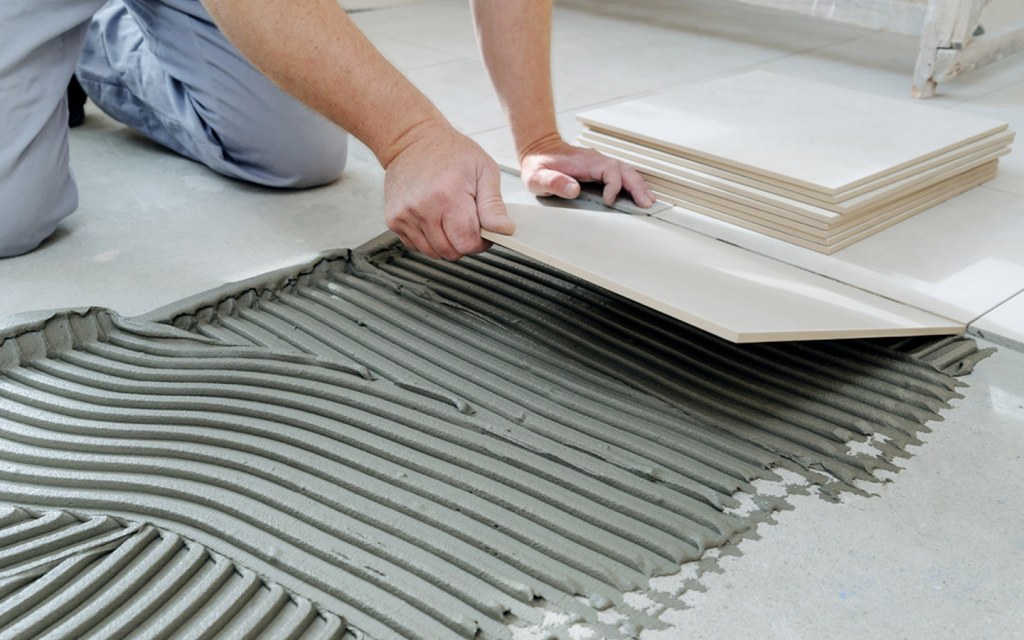
The tile installation process involves several key steps to ensure a successful outcome. This includes preparing the surface, measuring and cutting tiles accurately, applying adhesive, and grouting the tiles for a seamless finish. Each step is crucial for achieving a professional look and long-lasting results.
For example, proper surface preparation ensures that tiles adhere correctly, preventing future issues like cracking or lifting. Additionally, skilled installers use precise techniques to cut tiles around corners and fixtures, enhancing the overall appearance and functionality of the installation.
Maintenance Tips for Tile Floors
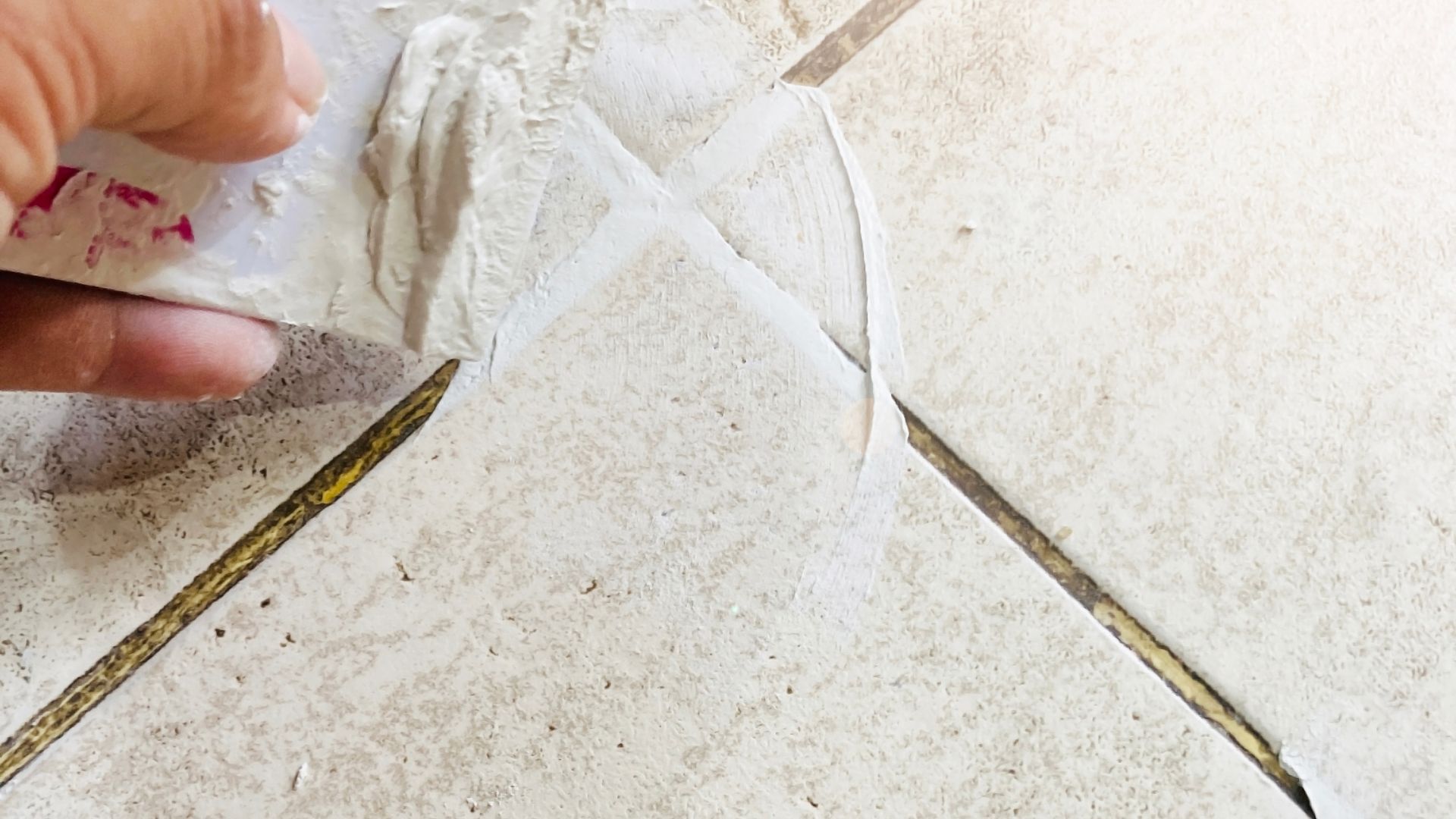
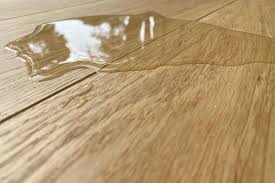
Maintaining tile floors is essential for preserving their beauty and extending their lifespan. Regular cleaning, sealing grout lines, and addressing spills promptly can help keep tiles looking their best and prevent damage over time.
For instance, using a pH-neutral cleaner can effectively remove dirt without harming the tile surface, while applying a sealant to grout lines every few years can protect against staining and moisture penetration. These simple maintenance practices can significantly enhance the longevity of your tile investment.
Common Tile Installation Mistakes to Avoid
Understanding common tile installation mistakes can help homeowners and contractors avoid costly errors. Issues such as improper spacing, inadequate surface preparation, and neglecting to account for expansion can lead to unsatisfactory results and potential damage.
For example, failing to use spacers during installation can result in uneven grout lines, while not allowing for expansion gaps can cause tiles to crack over time. By being aware of these pitfalls, you can ensure a smoother installation process and a more durable finished product.