
Are Wood Tiles Waterproof? Everything You Need to Know
No, wood tiles are not 100% waterproof, but here’s the good news: most wood-look tiles are made from porcelain or ceramic, which means they can handle water much better than real wood. Porcelain wood tiles absorb less than 0.5% of water, making them great for bathrooms and kitchens. Real wood swells and warps when it gets wet. Wood-look tiles don’t do that.
This article will help you understand what makes wood tiles resist water, which types work best in wet rooms, and how to pick the right one for your home. We’ll also talk about what you need to do to keep them working well for years.
What Are Wood Tiles Made From?
Wood tiles aren’t actually made from wood at all. They’re crafted to look like wood but built from different materials that can handle water better.
Porcelain Wood Tiles
Porcelain tiles are the strongest option. They’re made from refined clay and other minerals that get fired in a super-hot kiln. This process makes them very dense and hard.
According to industry standards, porcelain tiles have a water absorption rate below 0.5%. That means they soak up almost no water. This makes them perfect for:
- Bathroom floors and walls
- Shower areas
- Kitchen floors
- Basements that might get damp
- Outdoor spaces like patios
The tiles look incredibly real now. Modern printing tech puts wood grain patterns right onto the surface. Some even have texture that feels like real wood when you touch it.
Ceramic Wood Tiles
Ceramic tiles are similar to porcelain but not as dense. They absorb a bit more water—usually between 0.5% and 3%. They still work well in most wet areas, but they’re better for walls or light-traffic floors.
Ceramic costs less than porcelain. If you’re on a budget and not putting tiles in a really wet spot, ceramic can be a smart choice.
Luxury Vinyl Planks (LVP)
Some people call these “wood tiles” too. Luxury vinyl planks with SPC (Stone Plastic Composite) or WPC (Wood Plastic Composite) cores are completely waterproof.
These planks have layers. The core is made from stone powder or wood fibers mixed with plastic. A printed layer shows the wood pattern. A clear wear layer on top protects everything.
SPC cores are harder and more dent-resistant. WPC cores feel softer under your feet. Both types can sit in water for hours without damage. If you have pets or kids who spill things, waterproof vinyl planks might be your best friend.

Are Wood Tiles Really Waterproof?
Let’s be clear about what “waterproof” actually means. The tile surface itself resists water very well. But your whole floor or wall? That depends on more than just the tile.
The Tile Surface
Porcelain and ceramic wood tiles have very low water absorption. Water beads up on top instead of soaking in. This is because the tile is fired at high heat, which makes it super dense with tiny pores.
Glass tile is the only material that’s truly 100% waterproof. But even porcelain comes very close, especially for everyday use.
The Grout Lines Are the Weak Spot
Here’s where things get tricky. Grout is not waterproof. It’s the cement-like stuff between your tiles. Water can seep through grout over time.
This is why you need to:
- Use waterproof grout or epoxy grout in wet areas
- Seal your grout lines every 6 to 12 months
- Fix cracked grout right away
If water gets through the grout, it can reach the layer under your tiles. That’s when problems like mold, rot, and loose tiles happen.
What’s Underneath Matters Most
Professional installers put a waterproof membrane under the tiles in wet areas. This is a thin sheet or liquid coating that stops water from getting to the wood or concrete underneath.
Without this membrane, water that sneaks through grout lines can cause big problems. The Tile Council of North America recommends waterproofing membranes for any shower or wet area. It’s not optional—it’s essential.
Best Types of Waterproof Wood Tile Flooring
Not all wood-look tiles are created equal. Here’s what works best in different rooms.
For Bathrooms and Showers
Use porcelain wood tiles. They handle constant moisture without problems. Pick ones with a matte finish instead of glossy. Matte surfaces are less slippery when wet.
Look for tiles with a DCOF (Dynamic Coefficient of Friction) rating of 0.42 or higher. This tells you how slip-resistant they are. Safety first, especially in showers.
For Kitchens
Porcelain or SPC vinyl planks both work great in kitchens. Spills happen all the time. These materials let you wipe up water without worrying about damage.
If you drop pots and pans a lot, go with SPC vinyl. The stone core makes it super tough against dents and dings.
For Basements
Basements can get damp. Porcelain tiles and waterproof vinyl planks are perfect here. They won’t warp or grow mold even if moisture comes up through the concrete.
Never use real wood or laminate in basements. They’ll fail when moisture shows up.
For Outdoor Patios
Only use porcelain tiles rated for outdoor use. They need to handle freeze-thaw cycles without cracking. Check the product label for “frost resistant” or “outdoor rated.”
Don’t use vinyl planks outside. Sun and temperature changes will damage them over time.
How to Tell If Wood Tiles Are Waterproof
Shopping for tiles? Here’s what to look for on the label.
Check the Water Absorption Rate
The packaging should list this as a percentage. According to industry grading standards:
- Impervious: Less than 0.5% (best for wet areas)
- Vitreous: 0.5% to 3% (good for most indoor uses)
- Semi-vitreous: 3% to 7% (walls only, not floors)
- Non-vitreous: More than 7% (not for wet areas at all)
Always pick tiles with less than 0.5% absorption for bathrooms, showers, and other wet spots.
Look for the PEI Rating
PEI stands for Porcelain Enamel Institute. This rating tells you how tough the tile surface is. Higher numbers mean more durability.
- PEI 1: Walls only
- PEI 2: Light traffic (bathrooms, bedrooms)
- PEI 3: Medium traffic (most homes)
- PEI 4: Heavy traffic (kitchens, hallways)
- PEI 5: Extra heavy (commercial spaces)
For home bathrooms and kitchens, PEI 3 or 4 works great.
Read the Fine Print
Look for words like “waterproof,” “suitable for wet areas,” or “shower rated.” If the package doesn’t say this clearly, ask someone at the store.
Some tiles look similar but are made for different uses. Don’t assume all wood-look tiles can handle water the same way.
Installing Waterproof Wood Tile Flooring the Right Way
Even the best tiles need proper installation. Cut corners here and you’ll have problems later.
Prepare the Surface First
The floor underneath needs to be clean, flat, and dry. Remove old flooring materials completely. Fix any cracks in the concrete.
If the surface isn’t level, the tiles might crack. Use a leveling compound if needed. This step matters more than most people think.
Always Use a Waterproof Membrane
In bathrooms and showers, install a waterproof membrane before laying tiles. You have two main options:
Sheet membranes: Thin plastic sheets that you stick down with thinset mortar. Popular brands include Schluter-KERDI.
Liquid membranes: Paint-on products that dry to form a waterproof layer. These are easier for DIYers but need multiple coats.
The membrane goes over your backer board but under your tiles. It’s your real defense against water damage. Don’t skip this step to save money. You’ll regret it.

Use the Right Grout
Standard grout absorbs water. In showers and wet areas, use epoxy grout or a grout specifically labeled as waterproof.
Epoxy grout costs more and takes longer to apply, but it’s worth it. It doesn’t need sealing and resists stains and mold better than regular grout.
For regular grout, apply a penetrating sealer after it cures. Reapply sealer every 6 months in showers, yearly in other rooms.
Seal All the Edges
Where the floor meets the wall, use 100% silicone caulk instead of grout. Silicone stays flexible and waterproof. Grout can crack in corners where the floor and wall move slightly.
Also seal around fixtures like toilets and tubs. Water loves to sneak into tiny gaps.
Caring for Waterproof Tile That Looks Like Wood
Good maintenance keeps your tiles looking new and working right for decades.
Clean Them Regularly
Sweep or vacuum to remove dirt and grit. These can scratch the surface over time.
Mop with warm water and a pH-neutral cleaner made for tile. Avoid vinegar or harsh chemicals. They can wear down grout sealer and dull the finish.
Reseal the Grout
Most grout needs resealing. Check by putting a few drops of water on a grout line. If it soaks in instead of beading up, it’s time to reseal.
Resealing takes about an hour for a bathroom. It’s easy to do yourself and makes a huge difference.
Fix Problems Fast
See a crack in the grout? Fix it now, not later. Water will find that crack and work its way underneath.
If caulk around the tub or shower starts to peel, remove it and apply fresh caulk. Old caulk that’s coming loose is worse than no caulk at all.
Watch for Warning Signs
Check for these problems:
- Loose or hollow-sounding tiles when you tap them
- Dark stains on grout (could be mold)
- Water pooling in spots instead of draining
- Cracks in grout or caulk
Catch these early and they’re cheap to fix. Ignore them and you might need to replace the whole floor.
Wood Tiles vs Real Wood in Wet Areas
Let’s compare how these two stack up when water’s involved.
Moisture Resistance
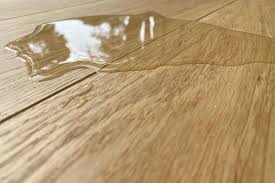
Real hardwood swells, warps, and rots when it gets wet. Even sealed wood has limits. Don’t put hardwood in full bathrooms or kitchens unless you love replacing floors.
Waterproof wood look tile flooring laughs at moisture. Spill a whole bucket of water and just mop it up. No damage done.
Maintenance
Hardwood needs regular refinishing. You have to sand it, restain it, and reseal it every few years. That’s a lot of work and expense.
Wood-look tiles need none of that. Sweep and mop. That’s it. Maybe reseal the grout once a year. Way easier.
Lifespan
Quality hardwood lasts 20 to 30 years if you baby it. In wet areas, it lasts less.
Porcelain tiles can last 50 years or more. They don’t wear out like wood does. The look stays consistent for decades.
The Look and Feel
Real wood feels warmer under your feet. It has natural variations that tiles try to copy but can’t match perfectly.
Modern wood-look tiles come incredibly close though. From a few feet away, most people can’t tell the difference. And you can add radiant heating under tiles for that warm feel.

Common Mistakes to Avoid
People make these errors all the time. Don’t be one of them.
Skipping the Waterproof Membrane
Some installers skip this to save time or money. Bad idea. The membrane is what keeps water from ruining the structure underneath your tiles.
Water that gets past grout will eventually cause mold, rot, and structural damage. A membrane costs $100 to $300. Fixing water damage costs thousands.
Using the Wrong Adhesive
Not all thinset mortar works in wet areas. Use a modified thinset rated for wet environments. Check the label before you buy.
Forgetting About Slope
Shower floors need to slope toward the drain. If water pools in corners or against walls, you’ll have mold problems.
The slope should be about 1/4 inch per foot. Your installer should know this, but if you’re DIYing, double-check with a level.
Not Waiting for Grout to Cure
Grout needs time to harden completely before you seal it or use the shower. Most grouts need 24 to 72 hours.
Rush this and the sealer won’t work right. Water will soak through and your grout will fail early.
Cost Comparison: Waterproof Wood Floor Tiles
Pricing varies based on quality, size, and brand. Here’s what to expect:
| Type | Price Range (per sq ft) | Best For |
|---|---|---|
| Ceramic wood-look tile | $2 – $5 | Budget-friendly walls and light-traffic floors |
| Porcelain wood-look tile | $3 – $12 | Bathrooms, kitchens, heavy-traffic areas |
| SPC vinyl planks | $2 – $7 | DIY installation, high moisture areas |
| WPC vinyl planks | $3 – $8 | Comfort underfoot, residential use |
Installation adds $5 to $15 per square foot if you hire professional tile installers. DIY saves money but requires skill and the right tools.
Frequently Asked Questions
Can You Put Wood Tiles in a Shower?
Yes, but only porcelain wood-look tiles rated for wet areas. Make sure your installer uses a waterproof membrane underneath and waterproof grout between tiles. Never use real wood, laminate, or non-waterproof materials in a shower.
Do Wood Tiles Need to Be Sealed?
The tiles themselves don’t need sealing—they’re already waterproof. But the grout lines do. Apply grout sealer after installation and reapply every 6 to 12 months depending on use. Epoxy grout doesn’t need sealing at all.
How Long Do Waterproof Wood Tiles Last?
Porcelain tiles can last 50+ years with proper care. Vinyl planks last 10 to 25 years depending on quality and wear. The grout might need replacing or resealing sooner, but the tiles themselves are incredibly durable.
Are Waterproof Wood Tiles Slippery When Wet?
It depends on the finish. Glossy tiles are more slippery. Matte or textured finishes give better traction. For showers and bathrooms, always choose tiles with a DCOF rating of 0.42 or higher for safety.
Can You Install Wood Tiles Over Existing Tile?
Sometimes yes, but it’s not ideal. The old tile needs to be firmly attached and level. Most professionals recommend removing old tile first to check for water damage underneath and get better results. If you do tile over tile, use a primer designed for this purpose.
Why Professional Installation Matters
DIY can save money, but tile work is tricky. Here’s why pros are worth it:
They Know the Building Codes
Local building codes have specific rules about waterproofing bathrooms and showers. Professionals know these rules and follow them. You avoid problems when you sell your house later.
They Have the Right Tools
Cutting tile cleanly requires a wet saw. Leveling requires laser levels. Professionals own this equipment and know how to use it.
They Guarantee Their Work
Most professional installers offer warranties. If something goes wrong, they fix it. DIY mistakes come out of your pocket.
For simple projects like a small bathroom floor, DIY might work. For showers or large kitchens, hiring experts is smarter.
Final Thoughts
Wood tiles aren’t technically 100% waterproof, but porcelain and ceramic versions come very close. They resist water far better than real wood ever could. Combine them with proper installation—including a waterproof membrane and sealed grout—and you have flooring that handles moisture beautifully for decades.
The key is choosing the right type for your space. Porcelain works best in wet areas like bathrooms and showers. SPC vinyl planks offer complete waterproofing and easy DIY installation. Either way, you get the warm look of wood without the headaches of water damage.
Take care of your tiles with regular cleaning and grout maintenance. Fix small problems before they become big ones. Do this and your waterproof wood look tile flooring will stay beautiful and functional for years to come.
Ready to transform your space with stunning, water-resistant wood-look tiles? Contact Tile Craft Artisans for expert installation that’s built to last.