
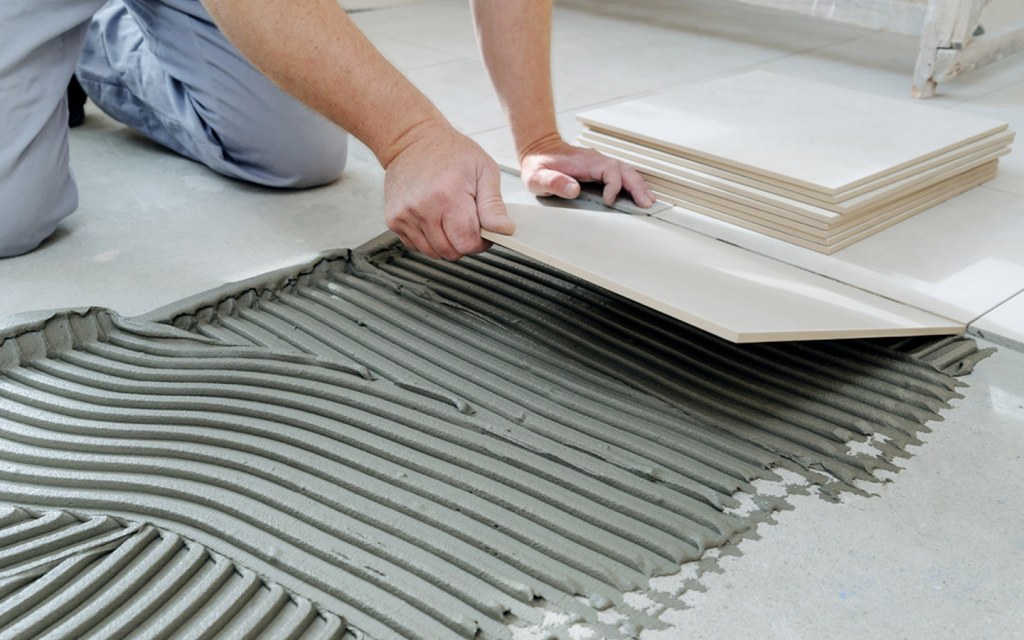
Which Quality of Tiles Is Best? Your Complete Guide to Choosing the Right Tiles
Porcelain tiles are the best quality for most homes. They have the highest durability, lowest water absorption (less than 0.5%), and work great in kitchens, bathrooms, and high-traffic areas. For the best results, look for PEI rating 3-5 tiles with good water resistance.
This guide will help you understand different tile qualities, what makes tiles high-quality, and how to pick the perfect tiles for every room in your home. You’ll learn about tile grades, ratings, and which types last longest.
Understanding Tile Quality Basics
Quality tiles make a big difference in how your home looks and lasts. Good tiles don’t crack, stain, or wear out quickly. They stay beautiful for years and save you money on repairs.
What Makes a Tile High Quality?
High quality tiles have five main features. First, they’re dense and hard. Second, they don’t soak up much water. Third, they resist scratches and wear. Fourth, they have clean edges and even colors. Fifth, they’re made with good materials.
Think of it like buying shoes. Cheap shoes fall apart fast. Good shoes last for years. Tiles work the same way.
Key Quality Markers to Look For
When shopping for tiles, check these important things:
- Water absorption rate: Good tiles absorb less than 0.5% water
- PEI rating: This shows how well tiles handle foot traffic (scale 0-5)
- Clean edges: Quality tiles have straight, chip-free edges
- Even color: No big color differences between tiles in the same box
- Consistent thickness: All tiles should be the same size
According to the Tile Council of North America, these ratings help you pick tiles that will work well in your space.
Tile Grades Explained Simply
Tiles come in different grades. The grade tells you where you can use the tile and how perfect it looks.
Grade 1 Tiles
Grade 1 tiles are about 3/4 inch thick. They’re the best looking with very few flaws. You can see imperfections only if you stand within 3 feet of the tile.
These tiles work great for both walls and floors. They’re perfect for tile installation in living rooms, bedrooms, and bathrooms.
Grade 2 Tiles
Grade 2 tiles are about 1/2 inch thick. They might have a few more small flaws. You’d need to stand within 10 feet to notice the problems.
You can still use these tiles on walls or floors. They cost less than Grade 1 but still look good.
Grade 3 Tiles
Grade 3 tiles are thinner at 1/4 inch. They have more visible imperfections. These tiles work best on walls only, not floors.
They’re a budget-friendly choice for kitchen backsplashes and bathroom walls where they won’t get stepped on.

PEI Ratings – The Traffic Test
The PEI rating system helps you match tiles to foot traffic. It goes from 0 to 5. Higher numbers mean the tile can handle more walking.
PEI 0-1: Light Use Only
PEI 0 tiles are for walls only. No foot traffic at all. PEI 1 tiles work for very light traffic like bathroom floors where people wear soft slippers.
These aren’t good choices if you have kids or pets who run around a lot.
PEI 2-3: Normal Home Use
PEI 2 tiles handle light traffic. They’re fine for bedrooms and guest bathrooms. PEI 3 tiles work in most home areas including kitchens and living rooms.
Most homeowners choose PEI 3 tiles. They balance cost and durability well for everyday family life.
PEI 4-5: Heavy Traffic Areas
PEI 4 tiles work for all homes and light commercial spaces. PEI 5 tiles are the toughest. They’re built for shopping malls, airports, and busy restaurants.
You probably don’t need PEI 5 tiles at home. But they’re perfect if you run a business or have extremely high foot traffic.
Best Quality of Tiles by Type
Different tile types have different strengths. Let’s look at the most popular options.
Porcelain Tiles – The Durability Champion
Porcelain tiles are the best quality tiles for most homes. Here’s why people love them:
Strengths of Porcelain:
- Water absorption less than 0.5% (nearly waterproof)
- Super hard and dense
- Lasts 20+ years with proper care
- Works indoors and outdoors
- Resists stains and scratches
Best Uses:
- Kitchen floors
- Bathroom floors and showers
- Entryways and hallways
- Outdoor patios
- Commercial spaces
The Porcelain Tile Certification Agency tests all real porcelain tiles to make sure they meet quality standards. Always look for PTCA certification when buying porcelain.
Porcelain costs more than ceramic. But it lasts much longer. You save money over time because you won’t need to replace it as often.
Ceramic Tiles – The Budget-Friendly Choice
Ceramic tiles cost less than porcelain. They’re made from clay fired at lower temperatures. This makes them softer and more porous.
Strengths of Ceramic:
- More affordable price
- Easier to cut and install yourself
- Tons of colors and designs
- Good for light-traffic areas
- Stays cool in hot weather
Best Uses:
- Bathroom walls
- Kitchen backsplashes
- Bedroom floors
- Guest bathroom floors
- Low-traffic areas
Ceramic tiles work great if you’re on a budget. Just don’t use them in wet outdoor areas. They can crack when water freezes inside them.
Natural Stone Tiles – Luxury Quality
Natural stone includes marble, granite, and travertine. Each piece is unique. No two tiles look exactly the same.
Marble Tiles
Marble brings elegance to any space. It’s softer than granite but still durable when sealed properly.
Best For: Bathroom vanities, accent walls, fireplace surrounds Hardness: 3-4 on Mohs scale Maintenance: Seal once a year, wipe spills quickly Cost: $4-$26 per square foot
Granite Tiles
Granite is one of the hardest natural stones. It resists scratches, heat, and stains better than marble or travertine.
Best For: Kitchen counters, high-traffic floors, outdoor areas Hardness: 6-7 on Mohs scale
Maintenance: Low – seal every few years Cost: $4-$9 per square foot
Travertine Tiles
Travertine has a naturally porous, rustic look. It’s perfect near pools because the rough surface prevents slipping.
Best For: Pool areas, outdoor patios, low-traffic floors Hardness: 4-5 on Mohs scale Maintenance: Seal every 3-4 months Cost: $4-$8 per square foot
At Tile Craft Artisans, we work with all these natural stones. Each one brings its own special beauty to your home.
Water Absorption Rates Matter
Water absorption tells you how much moisture a tile soaks up. This matters a lot for bathrooms, kitchens, and outdoor areas.
The Four Categories
Tiles fall into four water absorption groups:
- Impervious (less than 0.5%): Best for all areas, indoors and outdoors
- Vitreous (0.5% to 3%): Good for most indoor uses
- Semi-vitreous (3% to 7%): Indoor walls and dry areas only
- Non-vitreous (more than 7%): Walls in dry areas only
For wet areas like showers and outdoor spaces, always choose impervious tiles. Water can’t get inside them. This stops mold, cracks, and stains.

Why This Rating Matters
Imagine pouring water on a sponge versus pouring it on glass. The sponge soaks it up. The glass doesn’t. Impervious tiles act like glass. Non-vitreous tiles act like sponges.
If water gets inside tiles and freezes, the tiles crack. If water stays inside, mold grows. That’s why the water absorption rate is so important.
Slip Resistance and Safety
Nobody wants to slip and fall on their floors. The COF (Coefficient of Friction) rating tells you how slippery tiles are.
Understanding COF Ratings
- COF less than 0.5: Slippery – dry areas only
- COF 0.5-0.6: Moderate slip resistance – most homes
- COF more than 0.6: High slip resistance – wet areas
For bathroom floors, kitchen floors, and outdoor areas, pick tiles with a COF of at least 0.6. The Americans with Disabilities Act recommends 0.6 or higher for commercial spaces too.
Textured vs. Polished Finishes
Polished tiles look shiny and smooth. They’re beautiful but can be slippery when wet. Textured or matte finish tiles give your feet more grip.
For shower floors and bathroom floors, always choose textured tiles. Save the polished tiles for walls or dry areas.
High Quality Tiles vs. Low Quality Tiles
How can you spot the difference between good and bad tiles? Here are the telltale signs.
Signs of High Quality Tiles
Good tiles have these features:
- Clean, straight edges with no chips
- Same color throughout the batch
- Dense and heavy feel
- No visible cracks or surface defects
- Smooth, even glaze (if glazed)
- Consistent size and thickness
When you hold a quality tile, it feels solid. Like holding a nice dinner plate instead of a flimsy paper plate.
Red Flags for Low Quality Tiles
Watch out for these warning signs:
- Wavy or uneven edges
- Big color differences between tiles
- Chips, cracks, or pinholes in the surface
- Different sizes even from the same box
- Thin, lightweight feel
- Bumpy or uneven glaze
Cheap tiles might save money now. But they crack faster, stain easier, and need replacing sooner. You end up spending more in the long run.
Choosing Tiles for Different Rooms
Each room in your home needs different tile qualities. Let’s match tiles to spaces.
Kitchen Floors
Kitchens get lots of foot traffic, spills, and dropped items. You need tough tiles here.
Best Choice: PEI 3-4 porcelain tiles with COF 0.6+ Why: They handle traffic, resist stains, and don’t get slippery when wet Finish: Matte or textured for safety
Want to see how professional installation makes a difference? Check out our luxury tile installation services.
Bathroom Floors and Showers
Bathrooms stay wet. Moisture is the enemy here. Your tiles must resist water completely.
Best Choice: Impervious porcelain tiles (PEI 2-3, COF 0.6+) Why: Nearly waterproof, prevent mold, safe when wet Finish: Textured for slip resistance
Living Rooms and Bedrooms
These areas see normal foot traffic. Comfort and looks matter most.
Best Choice: PEI 2-3 porcelain or quality ceramic Why: Durable enough for daily use, lots of style options Finish: Your choice – polished for elegance, matte for warmth
Outdoor Patios and Pool Areas
Outside tiles face rain, sun, freezing temperatures, and pool chemicals. They need to be tough.
Best Choice: Impervious porcelain or natural stone rated for outdoors Why: Won’t crack in freezing weather, stays beautiful in sun Finish: Textured to prevent slipping on wet surfaces
Looking at comparing tile materials can help you understand more about outdoor options.
Floor and Decor Tile Quality
Many people shop at big box stores. How does their tile quality stack up?
What to Look for at Big Retailers
Floor and Decor and similar stores carry tiles at different quality levels. Some are great. Some are just okay. Here’s how to pick the best:
- Check for PTCA certification on porcelain
- Read the PEI rating on the label
- Look at water absorption percentage
- Compare prices within the same type
- Ask about the tile’s country of origin
Italian and Spanish tiles often have better quality control. But good tiles come from many countries including the USA, Brazil, and Turkey.
Quality Tile Outlet Options
Tile outlets sell overstock and discontinued tiles at lower prices. You can find high quality tiles for less. But watch out:
- Make sure you buy enough – they might not have more later
- Check every box for damage
- Verify the grade and ratings yourself
- Compare to regular retail prices to confirm the deal
Smart shopping means checking quality first, then finding the best price on those quality tiles.
Premium Tile Brands and Manufacturers
Some brands are known for making the best quality tiles. They cost more but deliver better results.
Top Quality Tile Manufacturers
These companies make tiles with excellent quality control:
- Dal-Tile: Large US manufacturer with good warranties
- Crossville: Premium porcelain made in Tennessee
- Florida Tile: High quality American-made options
- Marazzi: Italian heritage, beautiful designs
- Emser Tile: Natural stone and porcelain specialist
Quality Tile Marble & Granite Specialists
For natural stone, work with suppliers who specialize in stone. They know how to:
- Select the best slabs
- Match veining patterns
- Cut tiles precisely
- Recommend proper sealers
Professional installers like us at Tile Craft Artisans have relationships with the best suppliers. We get you better quality and better prices.
Quality Tile Installation Makes the Difference
Even the best quality tiles need expert installation. Poor installation ruins good tiles.
Why Professional Installation Matters
When tiles are installed wrong, you get:
- Lippage (tiles at different heights)
- Uneven grout lines
- Cracked tiles from improper substrate
- Water damage from poor waterproofing
- Tiles that pop loose
Professional installers know how to:
- Prepare the subfloor correctly
- Use the right adhesive for each tile type
- Create level, beautiful layouts
- Waterproof wet areas properly
- Seal grout and tiles correctly
Learn more about the benefits of professional tile installation and why it’s worth the investment.
DIY vs. Professional Installation
DIY can work for simple projects with ceramic wall tiles. But porcelain floors, natural stone, and large format tiles need pro skills.
Good DIY Projects:
- Ceramic tile backsplashes
- Small bathroom wall tiles
- Simple patterns in low-traffic areas
Hire a Pro For:
- Porcelain floor tiles (hard to cut)
- Bathroom shower installations
- Large format tiles (60cm or bigger)
- Natural stone (needs special handling)
- Complex patterns or designs
Caring for Your Quality Tiles
Quality tiles last decades when you care for them right. Different tiles need different care.
Daily Care Tips
All tiles benefit from these simple habits:
- Sweep or vacuum regularly to remove dirt
- Mop with warm water and mild cleaner
- Wipe up spills quickly
- Use doormats to reduce tracked-in dirt
- Avoid harsh chemical cleaners
Dirt and sand act like sandpaper on tiles. Regular cleaning keeps them looking new.
Sealing and Long-Term Maintenance
Natural stone tiles and some porcelain tiles need sealing:
Marble and Travertine: Seal every 12 months Granite: Seal every 2-3 years
Slate: Seal every 1-2 years Glazed Ceramic/Porcelain: Usually no sealing needed
Grout needs sealing too. Seal grout lines every 1-2 years to prevent staining.
Want expert advice on tile care? Read our guide on effective tile care strategies.
Cost vs. Quality – Finding the Sweet Spot
Tiles range from $1 per square foot to $50+ per square foot. How do you balance quality and budget?
Budget Planning by Quality Level
Entry Level ($1-$5 per square foot):
- Basic ceramic tiles
- Limited designs
- Good for rental properties or temporary fixes
- Expect 5-10 year lifespan
Mid-Range ($5-$15 per square foot):
- Quality ceramic or standard porcelain
- Good selection of styles
- Perfect for most homes
- Expect 15-20 year lifespan
Premium ($15-$30 per square foot):
- High-end porcelain or quality natural stone
- Beautiful, unique designs
- Luxury feel
- Expect 25+ year lifespan
Ultra-Luxury ($30+ per square foot):
- Rare marble or designer porcelain
- One-of-a-kind looks
- Statement pieces
- Lasts generations
Where to Splurge and Where to Save
Splurge on quality in these areas:
- Main bathroom floors (you use them every day)
- Kitchen floors (high traffic)
- Shower tiles (water exposure)
- Entryway floors (first impression)
Save money in these areas:
- Guest bathroom walls
- Laundry room floors
- Closet floors
- Areas you cover with rugs
Smart planning helps you get quality where it counts while staying on budget.
Common Tile Quality Mistakes to Avoid
Don’t make these costly mistakes when choosing tiles.
Mistake 1: Choosing Based on Looks Alone
Pretty tiles that crack in a year aren’t a good deal. Always check:
- PEI rating for your traffic level
- Water absorption for your room
- Slip resistance for safety
Beauty matters. But quality matters more.
Mistake 2: Buying Too Little
Tiles come in batches. Each batch has slight color differences. If you run short and buy more later, they might not match.
Always buy 10-15% extra. You need extra for:
- Cutting around corners
- Replacing broken tiles during installation
- Future repairs
Mistake 3: Skipping Professional Advice
Tile stores and professional installers like Tile Craft Artisans know tiles inside and out. We can:
- Recommend the right type for your space
- Warn you about common problems
- Suggest alternatives you didn’t know about
- Save you from expensive mistakes
Free consultations save you money and stress. Take advantage of expert knowledge.
Mistake 4: Ignoring Grout Quality
Grout holds your tiles together. Bad grout cracks and stains. This makes beautiful tiles look terrible.
Use quality grout that matches your tile type:
- Epoxy grout for showers and wet areas
- Polymer-modified grout for floors
- Stain-resistant grout for light colors

The Environmental Side of Tile Quality
Quality tiles are better for the environment too. Here’s why.
Longevity Reduces Waste
Cheap tiles that need replacing every 5 years create tons of landfill waste. Quality tiles that last 25+ years mean less waste.
Think about it: Replacing tiles five times versus once. That’s five times more:
- Raw materials used
- Energy for manufacturing
- Fuel for shipping
- Waste in landfills
Eco-Friendly Tile Options
Many quality tile makers now offer green options:
- Recycled glass tiles
- Tiles made with recycled content
- Low VOC adhesives and sealers
- Locally-made tiles (less shipping)
Look for tiles with environmental certifications like:
- LEED qualified
- Green Guard certified
- NSF certified
These tiles meet strict environmental and health standards.
Making Your Final Decision
You’ve learned a lot about tile quality. Now let’s put it all together.
Your Tile Quality Checklist
Before you buy, make sure you can answer yes to these:
✓ Does the tile have the right PEI rating for my traffic level? ✓ Is the water absorption low enough for my room? ✓ Does the slip resistance keep my family safe? ✓ Did I check for clean edges and consistent color? ✓ Is the price fair for this quality level? ✓ Do I have 10-15% extra for cuts and future repairs? ✓ Have I planned for professional installation if needed?
Questions to Ask Your Tile Supplier
Don’t be shy. Ask these questions:
- What’s the PEI rating of this tile?
- What’s the water absorption percentage?
- Where is this tile made?
- Do you have quality certifications?
- What’s your return policy?
- Can I see samples from different batches?
- How much extra should I order?
Good suppliers answer these questions easily. If they can’t, shop somewhere else.
Final Thoughts
Choosing the best quality tiles doesn’t have to be hard. Remember these key points:
For most homes: Porcelain tiles with PEI 3-4 rating and less than 0.5% water absorption give you the best quality and value.
For wet areas: Always choose impervious tiles with high slip resistance (COF 0.6 or higher).
For tight budgets: Quality ceramic tiles work fine in low-traffic, dry areas. Save the premium porcelain for high-use spaces.
For luxury: Natural stone like marble and granite brings timeless beauty. Just remember they need more care than porcelain.
The best quality tiles match your needs. A tile that’s perfect for a shopping mall might be overkill for your bedroom. A tile that’s great for a wall might crack on your kitchen floor.
Take time to understand ratings, check quality markers, and ask questions. Your tiles will look beautiful and last for decades when you choose wisely.
Ready to transform your space with quality tiles? Contact Tile Craft Artisans for expert guidance and professional installation. We’ll help you pick the perfect tiles and install them beautifully. Get your free quote today and start your tile journey with confidence.

